
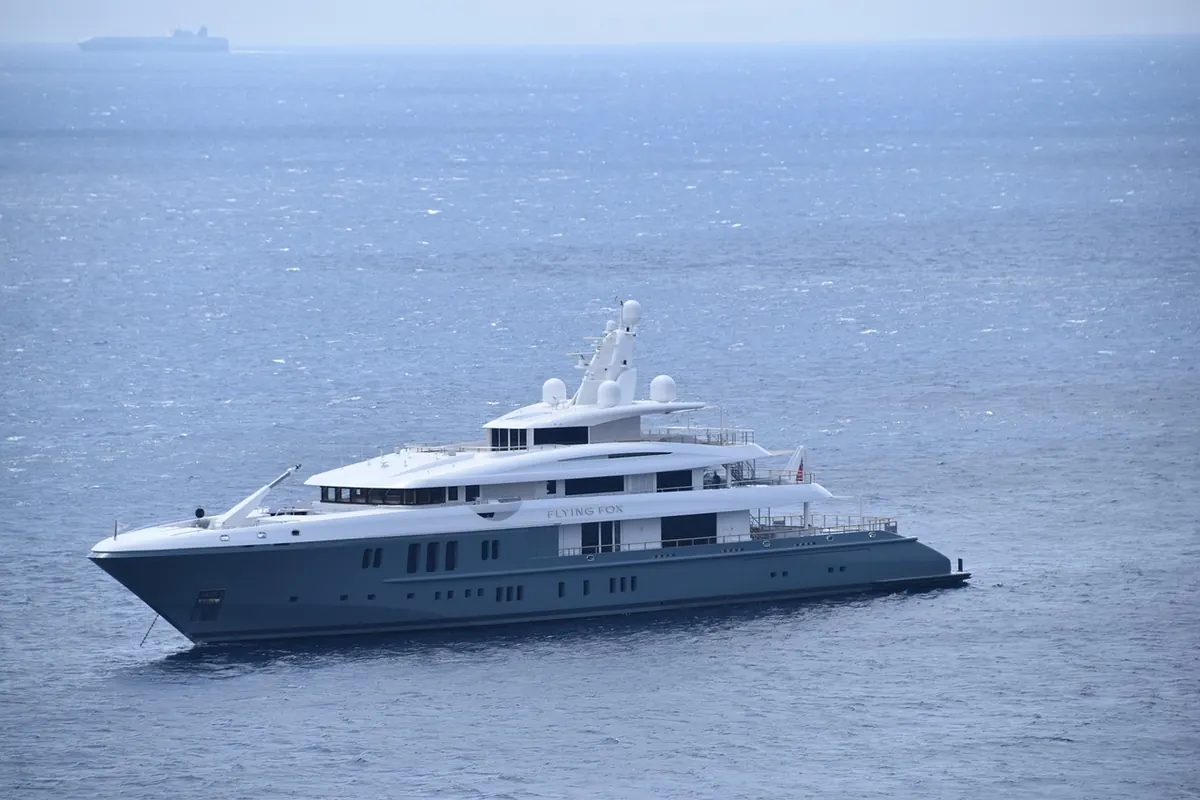


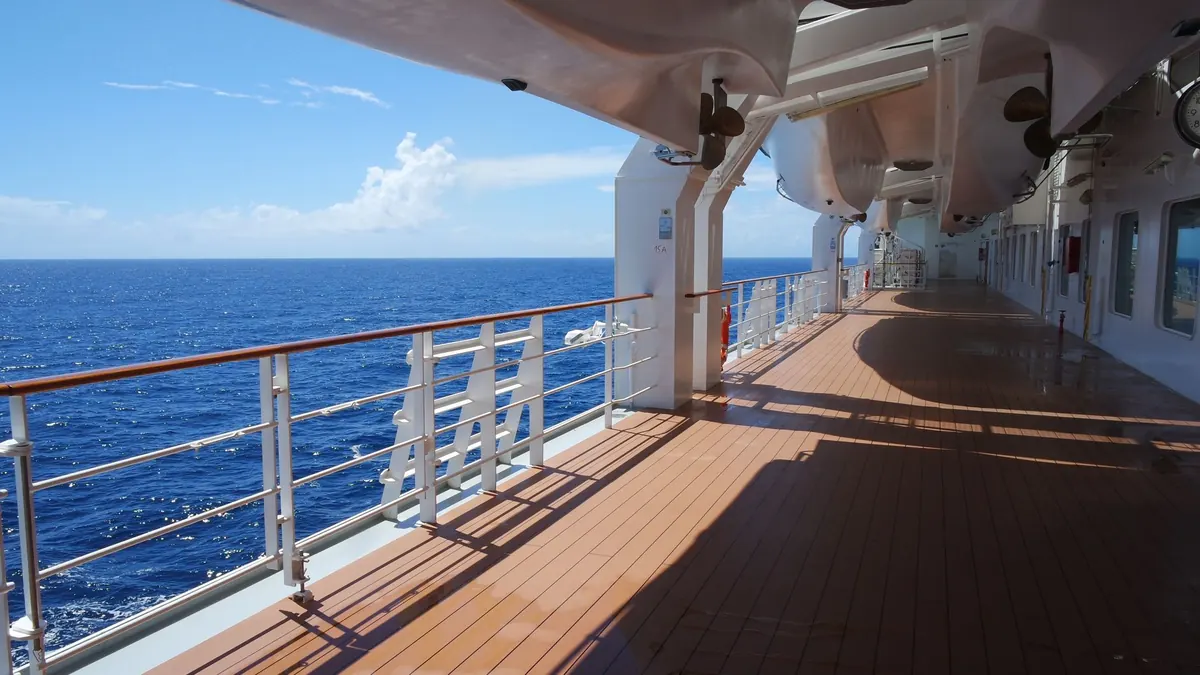
A luxury cruise promises something quietly remarkable: a fortnight of new harbours with only one unpacking. For a first-timer, though, the brochures raise as many questions as they answer. Is the price justified? Will the dress code be stuffy? How do you tell one line from another when they all use the same words — refined, intimate, all-inclusive?
The honest answer is that luxury at sea is less about marble bathrooms and more about space, service and the things you never have to think about. Here is what to expect, and how to choose well.
What "luxury" actually means at sea
The cruise industry sorts itself into tiers. Mass-market ships carry thousands of guests; premium lines sit in between; luxury lines typically sail with a few hundred and charge accordingly. Much of what you are paying for is invisible: a crew-to-guest ratio that means someone remembers your name and your coffee order, restaurants you can walk into at eight without a reservation, and small groups ashore instead of a coach party of fifty.
Inclusions vary, so read the detail rather than the marketing. On many luxury lines the fare covers:
- All meals, including speciality restaurants
- Wine, spirits, cocktails and speciality coffee
- Gratuities
- Wi-Fi, sometimes with a data allowance
- Butler service in upper suites
- Shuttle buses from the port into town
- Often shore excursions, flights, transfers or a pre-cruise hotel
"All-inclusive" means different things on different lines. Compare the inclusions line by line before you compare fares.
What a day aboard looks like
Ashore and at sea
The ship usually docks early and you walk off when it suits you, rather than waiting to be called by group number. Some lines run included excursions; others simply hand you a map and a bottle of water. Back on board, afternoons drift towards tea, a lecture, the spa or a swim. Sea days are deliberately gentle — a library, a cookery class, a guest speaker — and they are the reason many people book this kind of holiday.
Evenings
Dinner is normally open-seating rather than two fixed sittings, so you eat when you are hungry and with whom you please. Dress codes lean smart casual, with a formal night that is usually optional. Entertainment is intimate: a resident pianist, a string trio, an astronomer talking about the southern sky. If you want casinos and waterslides, this is not your cruise. If you want to read three books and wake up off the Amalfi Coast, it is.
How to choose the right cruise line
Match the line to your temperament, not to the photography. Ask these questions before you commit:
- How many guests, and how many crew? Under 700 guests feels intimate; under 300 feels like a private yacht, with fewer facilities to match.
- What is included? Drinks, gratuities, excursions, Wi-Fi and transfers all shift the value calculation.
- How formal is it? Some lines still expect a jacket at dinner; others are resort-casual all week.
- Who else sails? Expedition lines attract active travellers, classic lines attract couples in their sixties and beyond, and policies on children differ widely.
- What happens on sea days? Ask for a sample daily programme.
- How large are shore groups? Twelve to twenty people is typical on smaller ships, and it transforms a port call.
- How does the line treat solo travellers? Single cabins and reduced supplements are worth asking about directly.
Choosing an itinerary for a first cruise
For a first cruise, seven to ten nights in one region beats a fortnight of hopscotch. Choose an embarkation port you can reach without a punishing flight, then count ports against sea days. A new port every day sounds thrilling and is exhausting; two consecutive sea days give you time to enjoy the ship you have paid for.
Watch for tender ports, where the ship anchors offshore and you go ashore by boat. They reach prettier, smaller places, but they take longer and can be cancelled in poor weather. Season matters too: the Mediterranean in July is hot and crowded, while May and September are kinder. If you are unsure whether you will take to life at sea, a short repositioning voyage makes a low-risk introduction.
Cabins, suites and what is worth paying for
Entry-level cabins on luxury ships are usually larger than newcomers expect, with a seating area and a proper bathroom. The real decision is whether to pay for a veranda. On scenic itineraries — the Norwegian fjords, Alaska, the Panama Canal, the Greek islands at dawn — it earns its keep. Otherwise a well-placed oceanview cabin frees budget for excursions.
Three practical points. Midship and lower decks move least in swell. Check what sits above, below and beside your cabin: under the pool deck or next to a lift can be surprisingly noisy. And ask what "suite" means on that particular ship, because on some it is space alone, while on others it brings a butler, priority tendering and a separate restaurant.
What the fare covers, and what it does not
Luxury fares look high beside mainstream ones, but they absorb a great deal that other lines charge for. Typical extras are spa treatments, premium wines and spirits outside the included list, private excursions, laundry on some ships, and anything bought ashore. Gratuities and drinks are often included on true luxury lines — check rather than assume.
Budget separately for travel insurance, flights and a night in the embarkation city if the journey is long. Insurance is not a place to economise, and if you have questions about what a policy covers, particularly for medical matters or pre-existing conditions, speak to a qualified adviser rather than relying on a booking summary.
Booking checklist for a first luxury cruise
- Decide your region and month first; the line comes second.
- Shortlist two or three lines whose inclusions and dress codes genuinely suit you.
- Talk to a specialist cruise agent who has sailed on the ships, and ask them to compare fares like for like.
- Choose the cabin, not just the category. Ask for the deck plan.
- Check passport validity, visas and any health requirements for every country on the itinerary, well ahead of time.
- Arrange cruise-appropriate travel insurance when you book, not when you pack.
- Confirm boarding times, luggage handling and transfers so the first day is the one you already pictured.
Book your first voyage slightly shorter and smaller than your ambition suggests. Luxury cruising rewards a gentle introduction — and you can be ambitious with the second one.
Photo: Renata B. / Pexels
Related posts
More stories you’ll love reading