
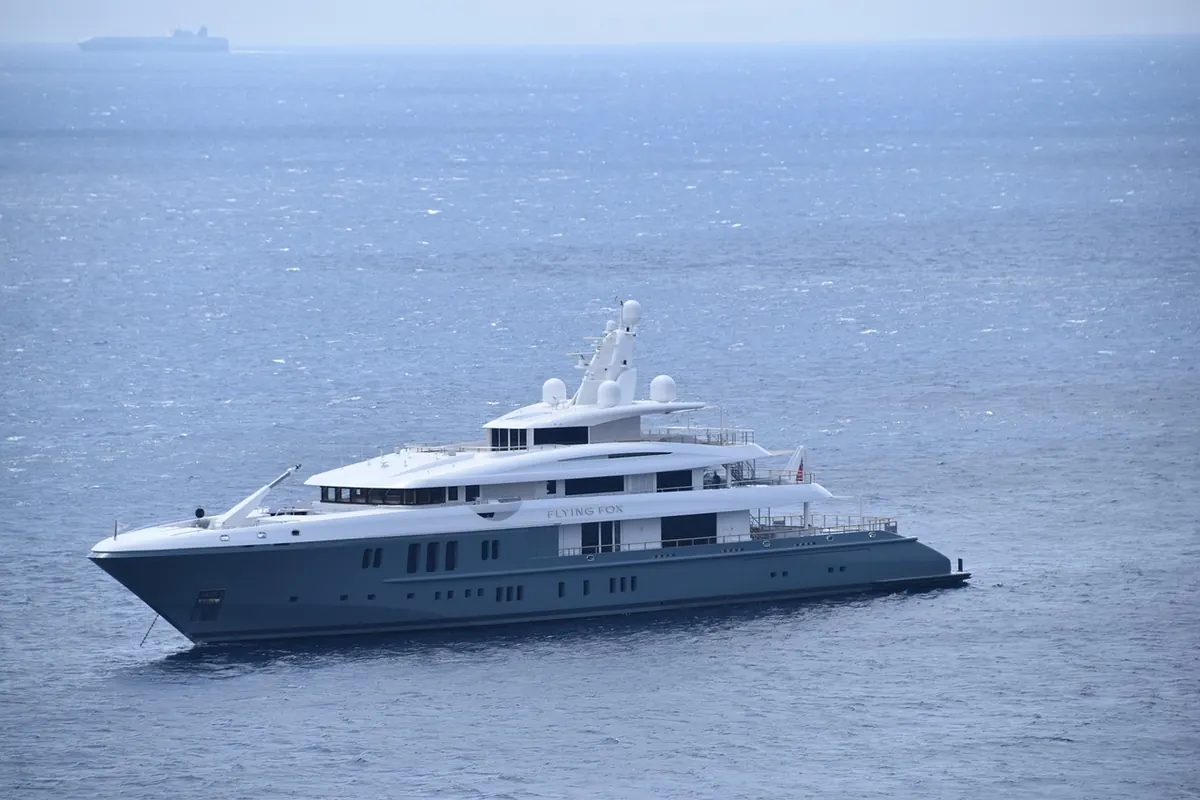


There is a particular moment, somewhere off the Cyclades or the Dalmatian coast, when the engine falls silent, the anchor bites into sand and the only sound is water against the hull. For most first-time charterers, that is the moment the idea stops being a logistical puzzle and becomes the holiday they had been trying to describe to friends for years. Getting there takes less planning than you might think.
Start with the Right Kind of Charter
The word "charter" covers several quite different arrangements, and your first decision is which one suits you.
- Bareboat — you take the yacht yourselves. At least one person on board needs a recognised sailing qualification and a sailing CV the charter company will accept. Best value, most responsibility.
- Skippered — you book the boat and a professional skipper sails it. You keep the privacy of your own group and hand over the navigation, anchoring and weather calls.
- Crewed — skipper, chef and often a hostess. This is the luxury end: proper meals, laundry, and someone else worrying about ice.
- Cabin charter — you book a single cabin rather than a whole yacht and share with strangers. The cheapest route, and a sensible way to test whether you actually enjoy life on the water.
Be honest about your group. Eight friends who want to swim, eat late and wake somewhere new each morning are usually happiest on a skippered yacht with a cook. Families with small children often prefer a catamaran, which sits level at anchor and gives everyone room to spread out.
Build a Budget That Goes Beyond the Charter Fee
The charter fee is the headline number, not the whole bill. Ask for a written estimate of extras before you commit, and read it properly.
- Fuel for the yacht and the tender
- Mooring and harbour fees, which climb steeply in popular marinas in high summer
- Food, drink and provisioning, whether you cook or hire a chef
- Security deposit or damage waiver
- Advance provisioning allowance (APA) on crewed charters, reconciled at the end of the trip
- Crew gratuity, usually calculated as a percentage of the charter fee
- Local tourist taxes, cruising permits and, in some countries, a cruising vignette
- Flights, transfers and a night in a hotel either side of the charter
Two habits keep costs sane. Agree a kitty on day one so nobody is counting receipts over dinner, and plan to eat ashore half the time rather than every night. Booking a smaller yacht slightly outside peak weeks, or accepting a Sunday-to-Sunday slot that others have passed over, tends to free up money for the things you will actually remember.
Choose Your Cruising Ground
The Mediterranean is not one destination, and the differences matter more than the brochures suggest.
Croatia offers sheltered island hopping, historic harbour towns and short passages — ideal for beginners, though July and August are busy. Greece rewards anyone who likes empty anchorages and steady wind, with the Saronic Gulf a gentle introduction and the Cyclades more serious. The Balearics suit short hops between lively ports and quiet coves, while Turkey and the Ionian reward those who want long lunches and little passage-making. Italy and the French Riviera are the most glamorous and, predictably, the priciest, with marinas that book out early.
A useful rule: pick the region first, then the yacht. Chasing a bargain boat in the wrong cruising ground rarely ends well.
Time Your Trip Well
Late May, June, early July, September and October are the sweet spots. The water is warm, the harbours are calmer and the afternoon breeze is reliable. High summer brings heat, crowds and the stronger seasonal winds — the meltemi in the Aegean, the mistral in the south of France — which can dictate where you go whether you like it or not. Wind is not a reason to avoid August, but it is a reason to stay flexible about your route.
Booking: Brokers, Contracts and Deposits
You can book directly with a charter company, but for anything larger than a bareboat, a reputable broker earns their commission. They know which yachts are maintained properly, which skippers are good with children and what a fair rate looks like.
Expect a formal contract — the MYBA agreement is the standard in the Mediterranean — plus a deposit on signing, the balance before departure, and a refundable security deposit held against damage. Ask what insurance covers, what happens if the yacht is withdrawn, and how weather cancellations are handled. These are legal and financial commitments; if the sums are significant, take proper independent advice before signing rather than relying on a broker's summary.
Life on Board: Making the Week Work
Send a provisioning list in advance, or ask the crew to shop once you have agreed menus. Keep the first day short so everyone finds their sea legs, and build in at least one do-nothing day — anchoring off a quiet bay, swimming, reading — because itineraries that look relaxed on paper rarely are in practice. Pack soft bags, non-marking soles and more swimwear than you think necessary. Let the skipper change the plan when the wind disagrees; the best weeks are the ones nobody defends too fiercely.
A Short Checklist Before You Book
- Decide between bareboat, skippered or crewed, and confirm qualifications if needed.
- Fix a realistic total budget, not just the charter fee.
- Choose your region and travel window before comparing yachts.
- Use a broker who has actually sailed the area.
- Read the contract, insurance terms and cancellation policy in full.
- Agree a kitty, a provisioning plan and a rough itinerary with your group.
Do those six things and the rest is easy. The hardest part of a Mediterranean charter is choosing where to drop the anchor for lunch.
Photo: ntrief / Pixabay
Related posts
More stories you’ll love reading