
Most safaris are booked from a sofa, months in advance, on the strength of a few photographs and a persuasive brochure. That is a perfectly understandable way to begin. It is also where most of the expensive mistakes get made. By the time you are standing in the open back of a Land Cruiser at sunrise, watching a leopard drape itself along a fig branch, every decision that shaped your trip — the country, the month, the camp, the guide, the pace — has already been locked in, paid for, and rendered more or less unchangeable.
A luxury safari is one of the rare purchases where the price tag tells you almost nothing about the quality of what you receive. Two trips can cost the same and deliver wildly different results: one a sequence of quiet, well-timed sightings with a guide who seems to know what the animals will do next; the other a blur of transfer flights, crowded sightings, and meals eaten in a hurry because the schedule leaves no room for anything else. The difference is rarely luck. It is the quality of a handful of booking decisions made months earlier, often by someone who has never set foot in the bush.
Here are the seven mistakes that come up again and again — and how to sidestep each one.
1. Choosing the Destination Before the Season
Almost every iconic safari landscape has a rhythm, and that rhythm decides what you will actually see. The Serengeti's herds are in the southern calving grounds in February and up near the Mara River in August. The Okavango Delta floods in the middle of Botswana's dry winter, which is why July there feels like a water world and January feels like a game-rich green swamp. A camp that is extraordinary in September can be genuinely disappointing in April, and vice versa.
Rain is not automatically the enemy, either. Green season brings lower rates, fewer vehicles, dramatic skies, newborn animals, and superb birding — but also thicker bush, more mud, and game that is spread out rather than concentrated at waterholes.
The fix: Start with the experience you want — calving herds, wild dog denning season, dry-season concentrations at a river, gorilla trekking in a specific month — and work backwards to the place and the dates. Never the other way round.
2. Assuming "Luxury" Means the Same Thing Everywhere
In some regions, luxury means twenty suites, a spa, air conditioning, and a butler. In others it means six tents, bucket showers, paraffin lamps, a long dining table under the stars, and the finest guide you will ever meet. Both are legitimate luxury; they are simply selling different things.
The mistake is choosing one while wanting the other. If what you value is privacy, silence, and time with your guide, a large lodge with a busy main deck may frustrate you. If you want a gym and a wine cellar, a minimalist bush camp may feel like camping with better cutlery.
The fix: Write down what you actually want — exclusivity, guiding, food, design, privacy, family-friendly facilities, accessibility — and rank it before you look at a single brochure.
3. Confusing National Parks With Private Conservancies
This is one of the least understood distinctions in safari travel. National parks and reserves generally impose strict rules: no off-road driving, no night drives, no walking safaris, and no limit on how many vehicles may converge on a single sighting. Private conservancies and concessions usually allow off-road tracking, night drives, guided walks, and a cap on bed numbers across the whole area.
The trade-off is real. National parks can offer raw scale and enormous wildlife density. Conservancies offer flexibility and far fewer people around you. What you cannot do is assume you are getting the second while paying for the first.
4. Trying to See Too Much in Too Few Days
The most common itinerary error is camp-hopping. Two nights somewhere sounds generous until you realise that arrival day is consumed by a light-aircraft flight and a road transfer, and departure day begins with packing before breakfast. Two nights buys you roughly one full, unhurried game drive.
Every move costs you half a day and a portion of your energy. Jet lag compounds it. Three nights in one place is the minimum for a sense of rhythm; four or five lets you slow down and start noticing the small things — tracks, bird calls, the behaviour of a single herd over several days.
The fix: Fewer camps, longer stays. A two-camp, nine-night trip will almost always outperform a five-camp, nine-night one.
5. Ignoring the Small Print of Logistics
Luxury does not exempt you from practicalities. Light aircraft in most safari regions enforce a strict baggage limit — commonly 15 kilograms per person in a soft-sided bag, occasionally less — and no amount of five-star service changes that. Other details matter just as much:
- Visa requirements and processing times, which vary by passport and change without warning.
- Yellow fever certificates, malaria prophylaxis, and any regional health advisories.
- Seasonal airstrip closures and the road-transfer times that replace them.
- Whether your international flights connect comfortably with the charter schedule — and who is responsible if they do not.
- Baggage allowances on the international leg versus the bush leg, which are rarely the same.
The fix: Do not book international flights until your operator has confirmed camp dates and internal transfers in writing.
6. Choosing a Camp on Photography Alone
Brochure images are shot by professionals, during the best weeks of the year, at the best possible light. They tell you about the landscape and almost nothing about your experience. What actually determines whether you come home exhilarated is the guiding, the vehicle policy, and the number of guests sharing your sightings. A shared vehicle in a prime area can mean six people jostling for a view of one leopard; a private vehicle changes the entire day.
Ask for guide names and years of experience. Ask whether guides are permanent staff or seasonal contractors. Read recent reviews rather than the glossy case studies, and pay attention to complaints about crowding, maintenance, and food — those are usually structural, not one-off.
On a safari, the guide is the destination. A brilliant guide in a modest camp will out-deliver a beautiful camp with a disengaged one — every time.
7. Leaving the Money Conversation Until the End
Luxury safaris are full of costs that sit outside the nightly rate, and the moment to understand them is before you sign. Ask precisely what is included: park and conservancy fees, which can add hundreds of dollars per person per day; alcoholic drinks and premium wines; laundry; airport transfers; internal flights; balloon excursions; and the tipping convention, which is often substantial and rarely discussed.
Then examine the terms: the deposit percentage, the balance deadline, the cancellation schedule and its cutoff dates, single supplements, and the currency and card fees you may be charged. Finally, confirm what happens in the event of overbooking, flooding, or a camp closure — and make sure your own insurance covers medical evacuation and trip interruption, not just lost luggage.
A Realistic Booking Timeline
- 18–12 months out: Peak-season travel to the most in-demand camps and regions. The best tents go first.
- 12–9 months out: Shoulder season, and most family or group trips that need connecting rooms.
- 9–6 months out: Still workable for many destinations, with a narrowing choice of camps.
- 6–3 months out: Last-minute specialists become genuinely useful here, especially if your dates are flexible.
- Under 3 months: Possible, but you are choosing from what remains rather than from what is best.
Questions to Ask Before You Pay a Deposit
- Which month would you go, and why?
- How many guests share a vehicle, and can we guarantee a private one?
- Who will be our guide, and how long have they worked in this area?
- What is not included in this quote?
- What are the cancellation terms, in plain language?
- What happens if the camp is overbooked or inaccessible?
The Bottom Line
The safari you remember for the rest of your life is rarely the one with the longest list of camps or the highest nightly rate. It is the one where the season matched the landscape, the pace matched your energy, and the guide matched your curiosity. Get those three aligned, and the photographs — the ones you take yourself — will look after themselves.
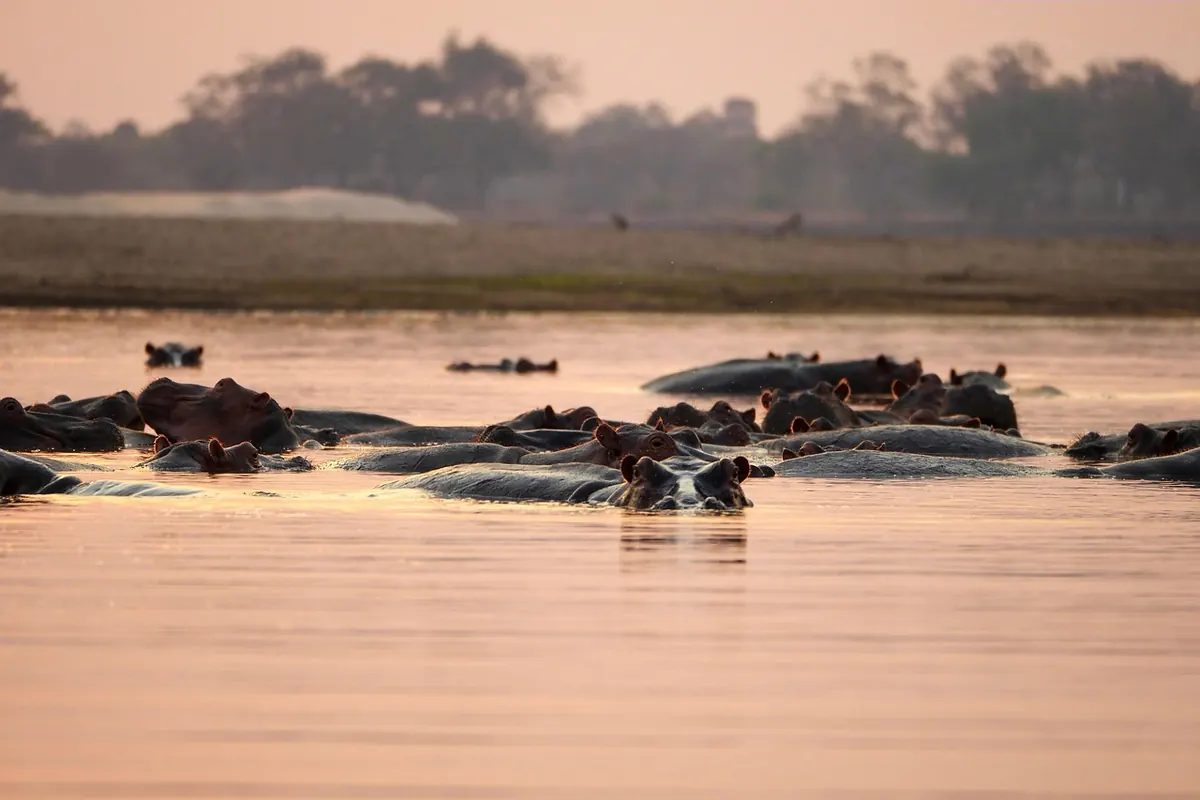
Photo: MariLari / Pixabay
Related posts
More stories you’ll love reading